
In this article:
- Why typing became the bottleneck nobody planned for
- The psychology of voice trust
- Freedom from the tyranny of time zones
- Faster decisions; fewer revisions
- Where freelancers are already using async audio
- Async audio as a personal brand tool
- The real reason this advantage is hidden
- What does this change mean for the future of freelance work
Freelancers love talking about tools, rates, clients, and time zones. What rarely gets discussed is audio. Not podcasts. Not music. Real working audio. The kind that replaces meetings, shrinks back-and-forth, and turns long messages into something you can absorb while doing actual work.
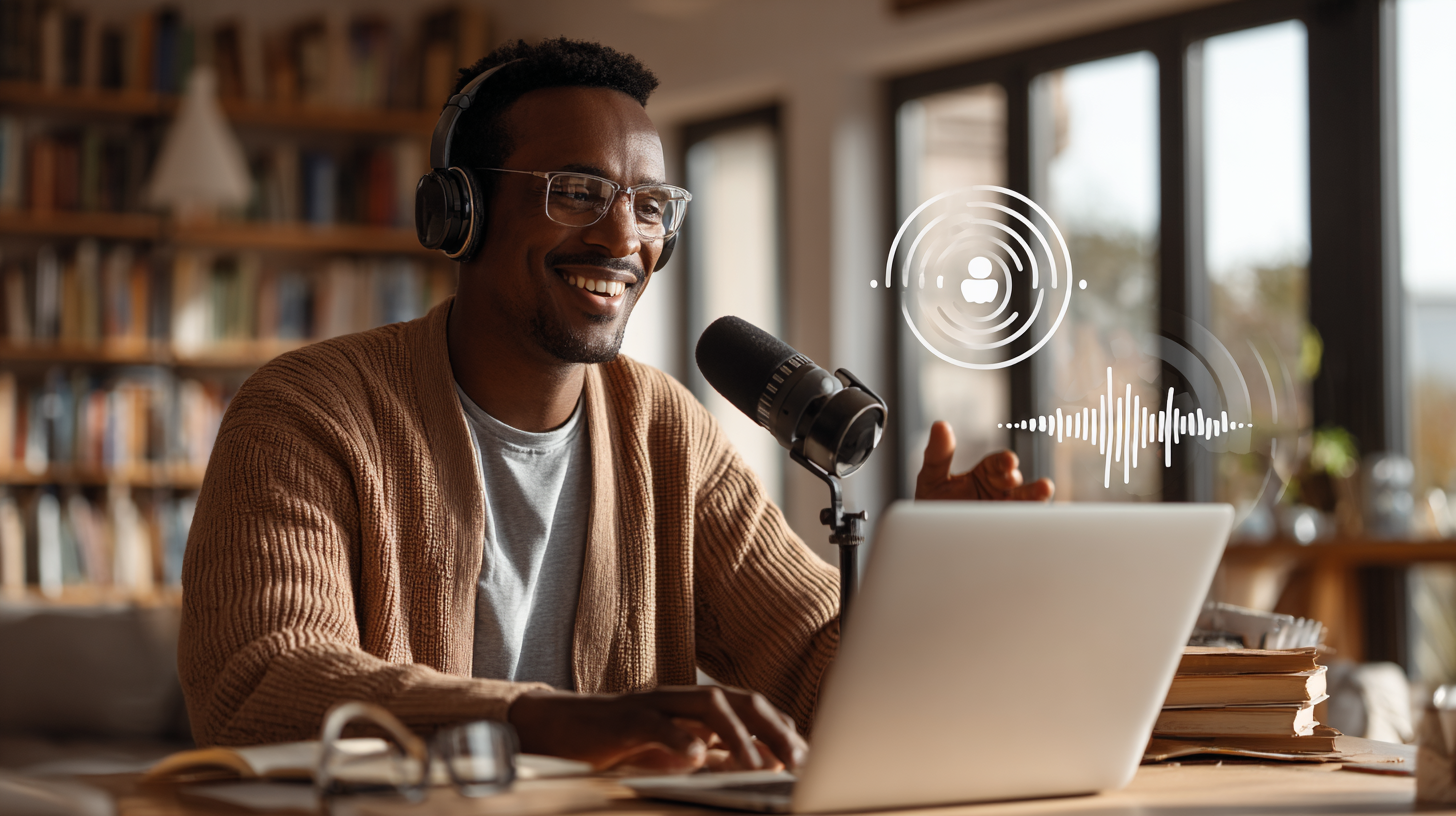
Async audio is quietly changing how freelancers work. Instead of scheduling calls across time zones or writing paragraphs that clients skim, more freelancers send short, structured voice updates. Tools powered by systems like Murf Falcon are helping to turn written briefs, project notes, and feedback into instantly playable audio. The outcome feels simple, but the impact is not. Work moves faster. Decisions get clearer. Collaboration feels more human.
This shift did not come from hype; it came from fatigue.
Why typing became the bottleneck nobody planned for
Freelancing runs on communication, but studies show 90% of business leaders believe they need to be better communicators in the remote era.
Proposals, revisions, feedback loops, status updates, Slack threads, and email chains rely on text, and text requires focus. You need to sit still, look at a screen, and stay mentally sharp.
That isn’t how freelancers live. They work between client calls, in cafes, on travels, or late into the night when energies are low. The typing is a chore, the reading exhausting. This is why 78% of knowledge workers state that asynchronous communication is beneficial, with 42% reporting increased productivity. This is where async audio really starts to shine.
It requires less effort to listen. It fits into gaps where text cannot fit. A freelancer may hear a client’s detailed feedback while sketching, designing, or setting up a project. That cognitive load shifts from visual strain to passive understanding.
That changes the workday in subtle but powerful ways.
You Deserve Better Clients...
We can help you find them. Just send us the details and we'll hunt down leads that match your business needs. All on autopilot.
The psychology of voice trust
Here’s what most people miss: Voice builds trust in a way text never will. Tone reveals intent. Pace shows urgency. Small pauses communicate context that words alone cannot.
When freelancers send async audio updates, clients do not just receive information; they feel guided. A voice note explaining why a design choice was made sounds confident and thoughtful. A spoken timeline feels more real than a bullet list in an email.
This matters because trust drives long-term freelance relationships: clients stay with people who feel real, consistent, and easy to work with.
Async audio creates that feeling of presence without forcing everyone into live meetings.
Freedom from the tyranny of time zones
Let me break it down. Real-time meetings punish freelancers. Someone is always waking up early or staying up late. That breeds resentment, burnout, and sloppy work.
Async audio removes that pressure. A freelancer in one country can send a detailed project walkthrough that a client listens to when it actually suits their schedule. No calendar gymnastics, no rushed explanations.
This is not just convenience; this is leverage.
Freelancers who master async audio gain time back. They work when their brain works best, and they communicate without sacrificing quality.
Faster decisions; fewer revisions
A strange thing happens when clients listen instead of reading: they understand more. They ask fewer basic questions. They make decisions faster.
This comes from structure. Good async audio is not rambling. It’s deliberate. It guides the listener. It moves from context to detail through to the next steps with natural flow. The client feels like they have been walked through the logic instead of being handed a block of text.
As a result, revision cycles shrink. Feedback goes from being vague to specific. Projects move, not stall.
That is not a small advantage; that’s a competitive edge.
Where freelancers are already using async audio
This shift is happening quietly across industries. Designers are sending voice walkthroughs of concepts instead of long explanation emails. Developers are recording short logic explanations for complex features. Authors narrate structural ideas before setting down the final content. Strategists are sending spoken audits instead of visual reports.
These are not gimmicks; these are practical adaptations to how modern work actually feels.
Async audio as a personal brand tool
There’s another layer to this advantage, which is the voice being memorable. On crowded freelance marketplaces, tone creates identity. A freelancer who sends in calm, clear, structured audio stands out without trying too hard.
The client starts recognizing the voice. The sound is associated with reliability. In time, this can build a brand-not with the use of logos, slogans, or design tricks, but through presence alone.
That kind of brand is hard to copy.
The real reason this advantage is hidden
Most people think of audio as content: podcasts, videos, courses.
Few people think of audio as infrastructure. It is the connective tissue between thinking and action. That is why this advantage stays under the radar. It is not flashy. It is not marketed loudly. It just works.
Freelancers who adopt early, quietly outperform those who only stick to text. They respond faster. Clarify better. Build stronger relationships. They do not talk about it simply because they do not need to.
What does this change mean for the future of freelance work
The future of freelancing is less about skills, more about speed of understanding. Async audio compresses time. It reduces friction. It humanises digital collaboration.
Freelancers who learn to communicate with their voice will not only work faster but also smarter, too. They will protect their energy and deepen client trust. And most importantly, they will stop wasting hours trying to say with text what a few seconds of clear speech can deliver.
The advantage is already here. Most people have not noticed it yet.
One more thing...
You didn't start freelancing to spend hours every week searching through job boards. You started freelancing to do more work you enjoy! Here at SolidGigs, we want to help you spend less time hunting and more time doing work you love.
Our team of "Gig Hunters"—together with the power of A.I.—sends you high-quality leads every weekday on autopilot. You can learn more or sign up here. Happy Freelancing!